Applications — browse a snapshot
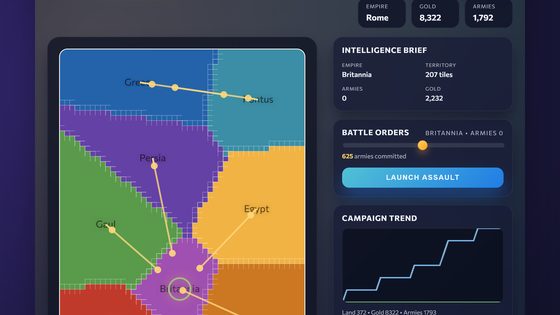
Ancient Empire Dominion
A complete browser strategy game in plain ES modules with zero runtime dependencies. Voronoi maps, eight AI empires, an upgrade economy and a Monte-Carlo battle simulator. Sold as source to reskin.
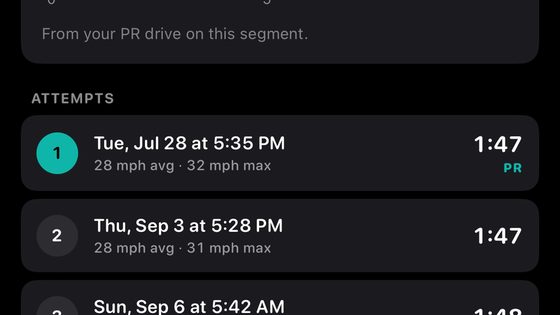
Apex — iOS Drive Tracker
The one product with no demo page, because it is an iPhone app and there is nothing to run in a browser. The listing carries twelve screenshots at App Store size instead. Complete SwiftUI source: GPS recording, automatic road-segment discovery with PR leaderboards, and a twenty-chart reports dashboard.
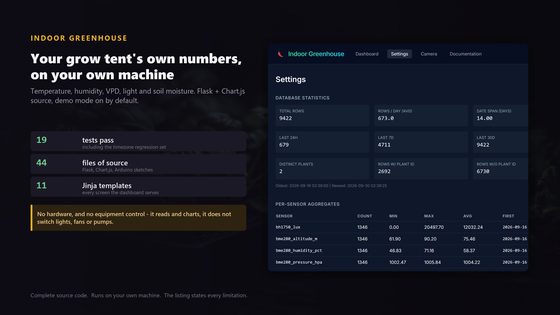
Greenhouse Dashboard
A Flask grow-tent monitor: live tiles, VPD and dew point, 24-hour to 90-day charts, sun position, a light-cycle schedule and an in-app sensor wiring guide. Ten pages captured from the running app with its demo data.
Not live here: Readings are simulated and frozen. Nothing writes: Capture Now, Build Timelapse and the settings forms are intercepted and say so.
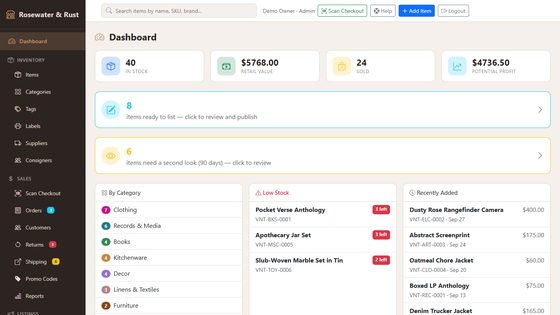
Vintage Shop — Inventory, POS & Storefront
A self-hosted Flask app for vintage, thrift and antique resale: one-of-a-kind inventory, QR price tags, a camera point of sale with Square, your own storefront, shipping, returns and reports. 520 pages captured from the running app with its demo data.
Not live here: Nothing saves. AI drafting, Square payments, uploads and free-text search need the running app and your own keys, and say so on screen. No marketplace integrations, in the demo or the product.
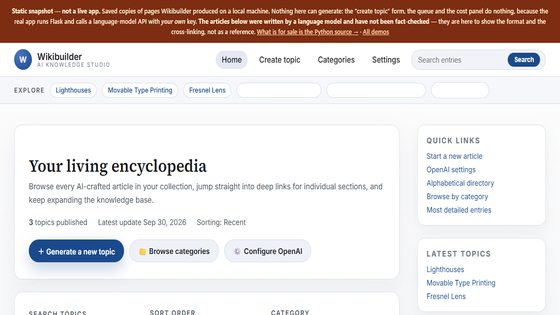
Wikibuilder
A local encyclopedia generator. Twenty-three pages: three full articles with tables of contents, per-section deep links, automatic cross-linking between articles, a category explorer and the cost panel you see before generating.
Not live here: No generation. The create-topic form, the background queue and the regenerate buttons need Flask and a model API key. The article text was written by a language model and is not fact-checked.
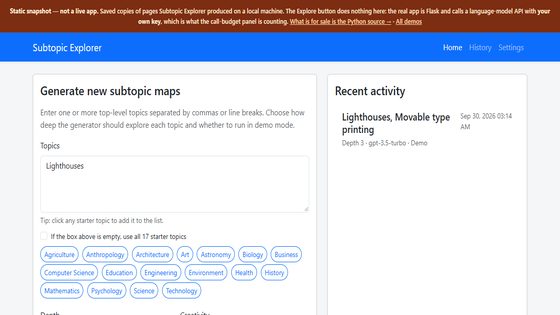
Subtopic Explorer
The other half of the bundle: turn a topic into a tree of subtopics you can feed to Wikibuilder as article titles. Includes a real depth-3 run and the call-budget projection that warns you before you spend anything.
Not live here: The Explore button does nothing. The topic map shown was made in the app's built-in demo mode, which synthesises subtopic names from a fixed list and makes no API calls, so the names repeat.
Browser tools — screenshots of the real thing
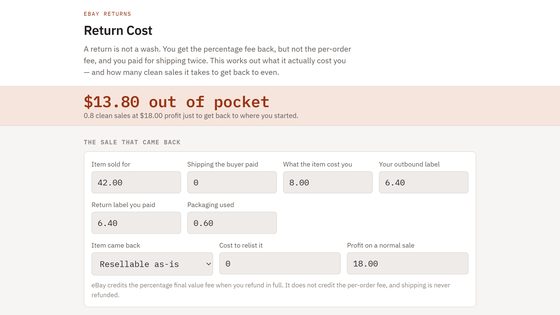
Return Cost
What an eBay return actually costs after the fee eBay keeps and the two shipping labels nobody counts. A $42 sale returned in resellable condition still costs $13.80.
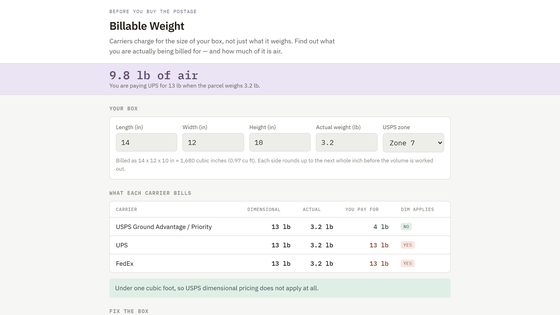
Billable Weight
Dimensional weight for USPS, UPS and FedEx side by side, each with its own threshold rules. USPS moved its divisor from 166 to 139 in July 2026.
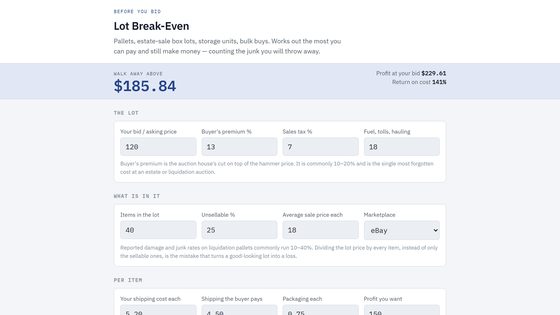
Lot Break-Even Calculator
Pallets, box lots and storage units: the highest bid that still clears the profit you asked for, counting the junk you will throw away.
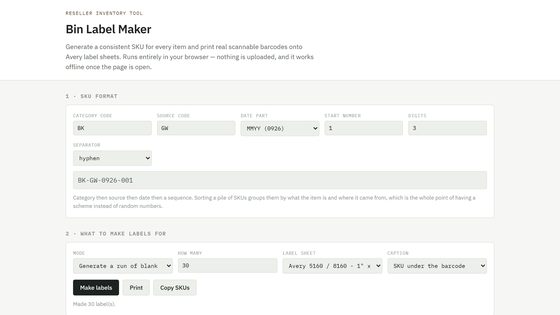
Bin Label Maker
A consistent SKU scheme plus real scannable Code 128 barcodes laid out for four Avery sheets, with a warning when a SKU is too long to scan.
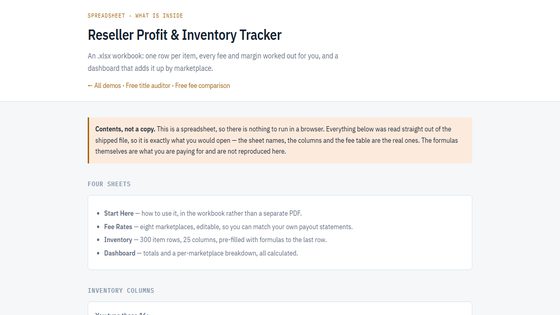
Reseller Profit & Inventory Tracker
An .xlsx workbook: 300 item rows, 25 columns, fees and margins worked out per marketplace and totalled on a dashboard.
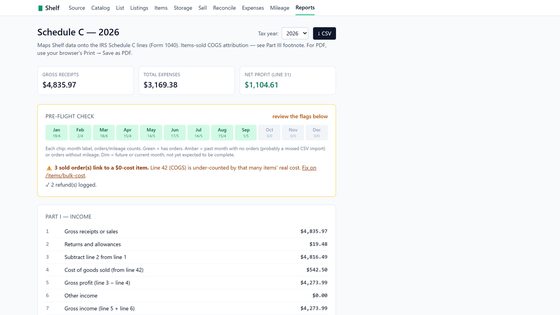
Shelf — Resale Inventory & Schedule C
A resale back office in Flask: sourcing trips, cost allocation to the cent, storage map, CSV reconcile, P&L, and an IRS Schedule C laid out by form line number. 600 tests.
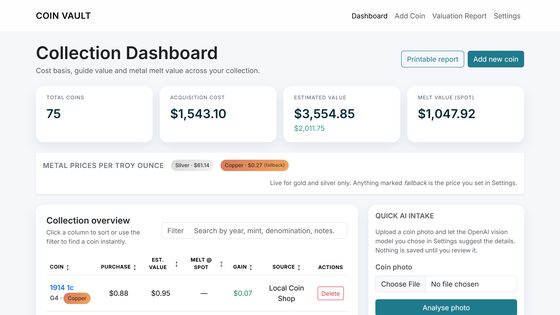
Coin Vault — Collection Tracker
Catalogue a coin collection in one CSV on your own machine. Silver melt value from weight and fineness, and a valuation report. 130 tests.
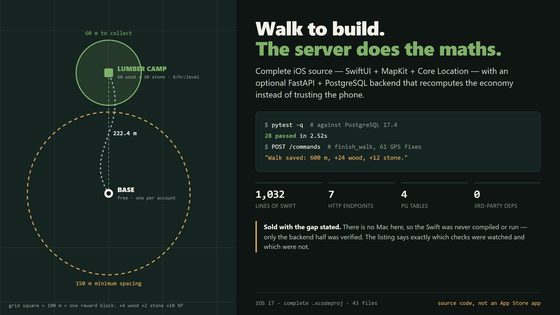
Trailblazer — iOS
Walk in the real world to earn resources and build on a MapKit map, with a server that recomputes the economy instead of trusting the phone. The demo shows the backend running — the iOS half was never compiled here, and the page says so.
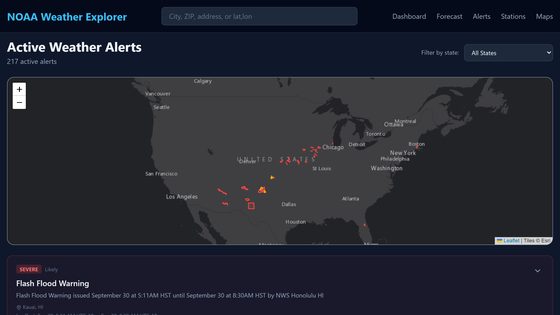
NOAA Weather Explorer
A self-hosted National Weather Service dashboard: live conditions, a 7-day and hourly forecast, every active alert in the country, and a station browser. No API key, no account. US only, and it has no test suite — both stated up front.
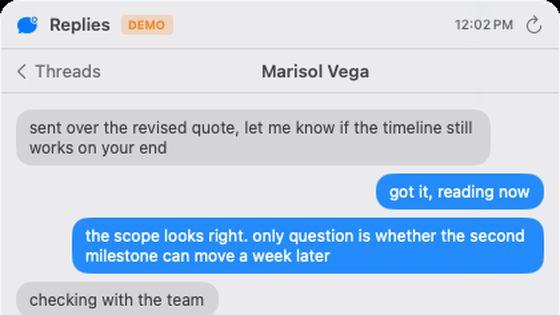
Replies — macOS
A menu-bar app that reads your own Messages history and drafts the replies you still owe people, in your voice. Swift source. It sends your conversations to OpenAI, which the listing leads with rather than buries.
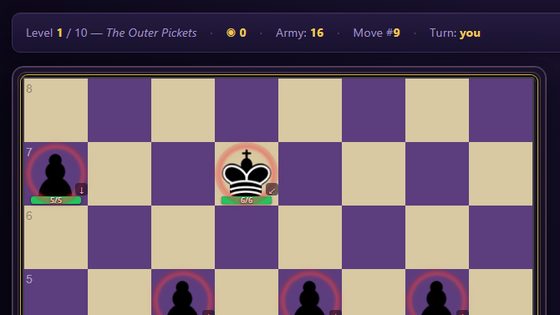
Battle Chess
A roguelike on a chessboard: every piece has hit points, you attack instead of capturing, and the defender hits back. Complete Python source, 87 tests, and a chess engine written in-repo with 296 assertions against it.
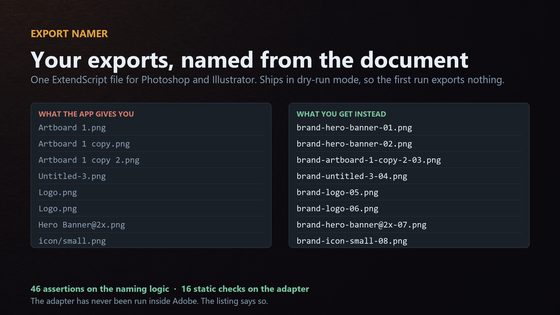
Export Namer
Names your exports from the document instead of leaving you with Artboard 1 copy 2.png. The demo shows five templates over the same eight layers, every filename generated by running the script’s own naming core.
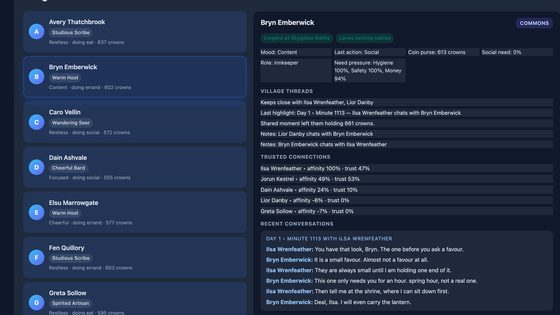
Village Sim — Flask + Socket.IO
Twelve villagers with needs, jobs, schedules and relationships, in readable Python with a live Socket.IO feed. A toolkit sold as source, not a game.
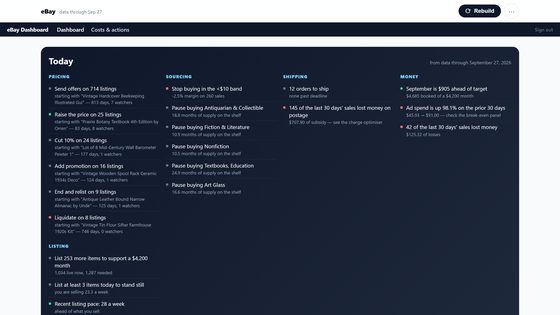
eBay Seller Dashboard
The CSV exports eBay already gives you, turned into one page that ends in instructions rather than graphs. 75 panels, 55 tables, 36 charts. No API keys.
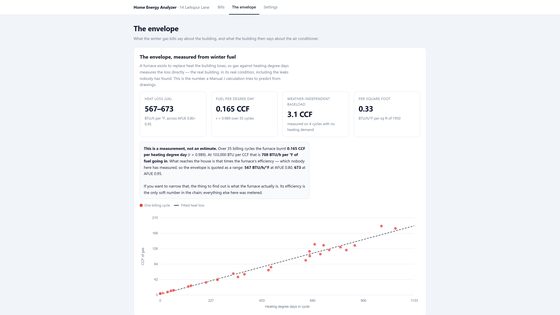
Home Energy Analyzer
Measure your house heat loss from 35 billing cycles of gas against degree days — UA 567–673 BTU/h/°F at r = 0.989. No utility login, no scraping, zero JavaScript. 55 tests.
Asset packs — the shipped files, applied
.cube
file a buyer downloads through a trilinear interpolation of its 3D lattice, which is the
operation Final Cut Pro performs when you apply it. The ungraded frame is held constant
across all six, because a grade can only be judged against ungraded footage.

Six Colour Grades for Final Cut Pro
Six 33×33×33 .cube LUTs, each generated from a documented
transfer function rather than eyeballed on a slider. Every file checked before it shipped:
35,937 entries, every value in range, tone monotonic. Also reads in Premiere, Resolve and
Affinity.

Twelve Black-and-White Conversions
Pulling saturation to zero gives you one black-and-white image and no control. A darkroom contrast filter is a weighted mix of all three channels — which a 1D curve cannot do and a 3D LUT is built for. Twelve documented weightings, mixed in linear light. A red flower and a green leaf convert to 100 against 99 under Neutral, the same grey; 174 against 68 under the red filter. No film stock is named anywhere.

Film Grain and Texture Overlays
Nineteen 4K plates — grain, dust, scratches, light leaks, vignettes. Real grain is strongest in the midtones and vanishes in the blacks and blown highlights, and the Overlay blend mode supplies that response for free, so the plates are centred on code 128 and the curve comes from the blend rather than the file. Measured against a grey ramp, the strongest disagreement with the prediction is 1%. The grain also moves — three one-second looping grain clips at 1080p ship alongside the stills.
Free, and genuinely working
Three tools on this site are free, open source and fully usable right now — no snapshot, no screenshots. Each runs in your browser with nothing uploaded.
Prefer them as files you keep? The first two are also a free download — Free Reseller Toolkit — same tools, nothing to pay, no email required.